
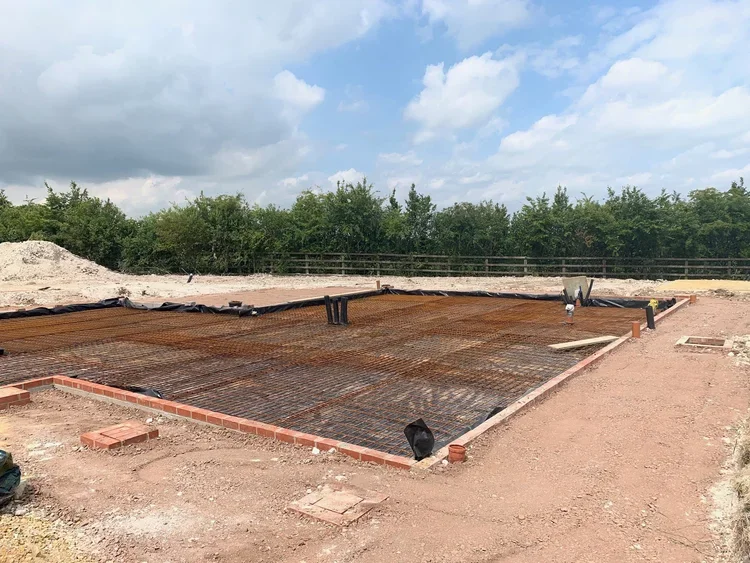
Preparing the Site for Construction
Preparing the Site for Construction
By the time construction is ready to begin, months of work have already taken place. Planning permission has been secured, the technical design has been developed, planning conditions discharged, Building Regulations coordinated, and the project prepared for delivery. The final stage of pre-construction is preparing the site itself.
Construction does not begin when the groundworkers arrive on site.
It begins when the project is ready to be delivered safely, efficiently and in accordance with the agreed design, programme and statutory requirements. Preparing the site for construction is therefore much more than arranging temporary fencing or a welfare cabin. It marks the transition from pre-construction into construction.
This transition is an important milestone within every professionally managed project.
During pre-construction, the Principal Designer leads the coordination of health and safety considerations as the design develops, helping ensure that foreseeable construction and maintenance risks are identified and managed through the design process. As the project moves into construction, this responsibility transitions to the Principal Contractor, who assumes responsibility for managing the construction phase and delivering the project safely on site.
This is not simply an administrative handover.
The information developed throughout pre-construction must now be translated into a practical plan for delivering the project. This includes establishing the site, coordinating logistics, communicating site rules and ensuring that construction activities can begin in a controlled and well-managed environment.
Preparing the site typically includes temporary utilities, welfare facilities, perimeter security, site access arrangements, construction signage, fire safety measures, environmental controls, material storage, delivery management and arrangements to protect neighbouring properties and members of the public. Every site is different, and these arrangements should always reflect the specific characteristics of the project rather than relying on standard templates.
Some of this information may also have been developed during the planning process.
Where planning conditions require documents such as a Construction Traffic Management Plan (CTMP), the Principal Contractor's knowledge becomes particularly important. These documents are not simply planning reports; they should accurately reflect how the site will operate throughout construction. Developing them during pre-construction ensures they align with the construction methodology, site logistics and wider project programme.
At Elevating Homes, we see this as a continuation of the collaborative approach established throughout technical design.
Rather than beginning our involvement when construction starts, we work alongside clients, consultants and specialist designers during pre-construction, allowing the transition into construction to be carefully planned and coordinated. By the time responsibility formally transfers from the Principal Designer to the Principal Contractor, the project has already been prepared for delivery, with the necessary information, management arrangements and site procedures in place.
This continuity benefits everyone involved.
Clients gain confidence that their statutory responsibilities are being professionally managed. The design team sees its work carried through into construction with continuity and coordination. Specialist contractors arrive on a site that has been properly established, allowing them to focus on delivering their own work efficiently and safely. Most importantly, the project begins construction with structure, clarity and a shared understanding of how it will be delivered.
Preparing a site for construction is not simply the first task on site.
It is the final step of a successful pre-construction process, providing the bridge between technical design and successful project delivery.